
LTO All Road Traffic Signs Mock Exam
0% 0 / 220
Identify the traffic sign:
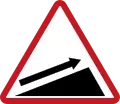
- Downhill sign
- Uphill sign
- Roundabout ahead
- Give way sign ahead
Identify the traffic sign:
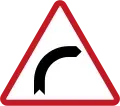
- Road curve left
- Road curve right
- Hairpin bend right
- Winding road
What does a one-way hazard marker indicate when the only left direction is allowed?

- The driver can proceed straight.
- One-way hazard markers indicate to the approaching driver the only left direction is allowed at the end of the road.
- The road ahead is a dead-end.
- The driver must turn right.
Identify the traffic sign:
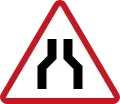
- Road narrows ahead
- Narrow bridge ahead
- End of divided road ahead
- Start of divided road ahead
Identify the traffic sign:

- Ice cream shop
- Pharmacy
- Drinking water only
- Refreshment
Identify the traffic sign:
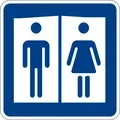
- Emergency shelter
- Rest rooms
- Public bathing area
- Laundry service
Identify the traffic sign:
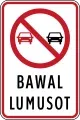
- Road narrows
- No parking
- No overtaking zone
- Speed limit 40 kph
Identify the traffic sign:
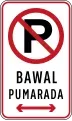
- No parking zone
- Loading zone
- No entry
- Parking allowed
Identify the traffic sign:
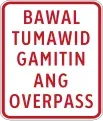
- Pedestrian crossing allowed
- No entry for pedestrians
- Pedestrian zone
- No pedestrian crossing, use overpass
Identify the traffic sign:
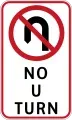
- U-turn allowed
- No U-turn
- Left turn only
- No right turn
Identify the traffic sign:
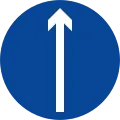
- U-turn allowed
- No turns allowed go straight
- Left turn only
- Right turn only
What do width markers indicate?
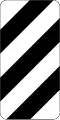
- Width markers show a lane merge.
- Width markers indicate a roundabout ahead.
- Width markers indicate a bridge ahead.
- Width markers indicate narrowing width clearance.
What does a bus and PUJ lane line indicate?
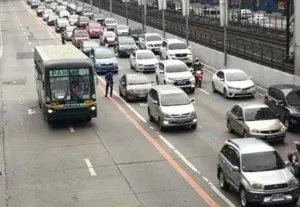
- A solid yellow line used to separate other vehicles from buses and PUJs, supplemented by raised pavement markers.
- Indicates a bicycle lane.
- Only motorcycles can use this lane.
- A parking lane for buses and PUJs.
Identify the traffic sign:
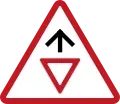
- Stop sign ahead
- Give way sign ahead
- Roundabout ahead
- T-junction ahead
What does a broken yellow line indicate?
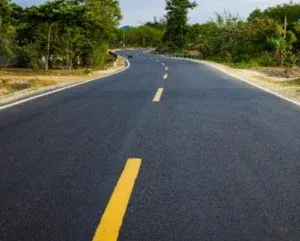
- No crossing or overtaking.
- Crossing and overtaking are allowed with necessary precaution.
- Only buses can overtake.
- Overtaking is allowed but crossing is not.
Identify the traffic sign:
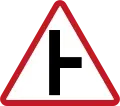
- Stop sign ahead
- Winding road
- Side road junction from left ahead
- Uneven road ahead
Identify the traffic sign:
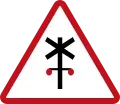
- No honking
- Railway crossing warning
- Roadwork ahead
- Pedestrian crossing
Identify the traffic sign:
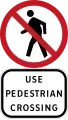
- No crossing allowed
- Pedestrian zone only
- Pedestrian must use pedestrian crossing
- No entry for pedestrians
Identify the traffic sign:
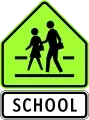
- Be aware of and stop for children crossing ahead near school
- Pedestrian subway
- No stopping
- Keep right
Identify the traffic sign:
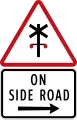
- Emergency stopping lane
- Dangerous descent
- Pedestrian overpass
- Railway crossing on right side of road
Identify the traffic sign:
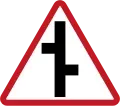
- Intersection ahead
- Uneven road ahead
- Traffic lights ahead
- Landslide-prone area
Identify the traffic sign:
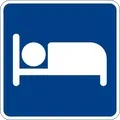
- Accommodation hotel, motel
- Restaurant area
- Marketplace
- Residential area
Identify the traffic sign:
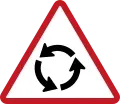
- Road narrows ahead
- Roundabout ahead (rotunda)
- Intersection ahead
- Winding road ahead
Identify the traffic sign:
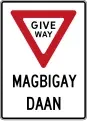
- One-way sign
- Give way sign
- No parking sign
- No U-turn sign
Identify the traffic sign:
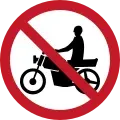
- No entry for cars
- No entry for buses
- No entry for motorcycles
- No entry for bicycles
Identify the traffic sign:
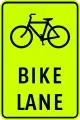
- Be aware and slowdown on bicycle lane ahead
- Cyclist rest stop
- Bicycle parking ahead
- No bicycles allowed
Identify the traffic sign:
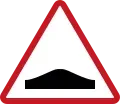
- Hump ahead
- Traffic lights ahead
- Downhill sign
- Spill way sign
Identify the traffic sign:
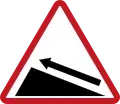
- Intersection ahead
- Slippery road
- Uphill sign
- Traffic lights ahead
Identify the traffic sign:
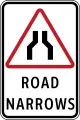
- Intersection ahead
- Road narrows ahead
- Flood-prone area
- Winding road
Identify the traffic sign:
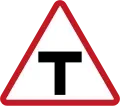
- Y-junction ahead
- Spill way sign
- Roundabout ahead
- T-junction ahead
Identify the traffic sign:
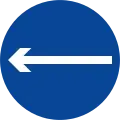
- One way (left)
- No overtaking sign
- Keep right
- One way (right)
Identify the traffic sign:
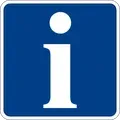
- Information center
- Tourist attraction
- Lost and found
- Security checkpoint
Identify the traffic sign:
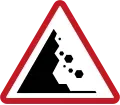
- Flood-prone area
- Landslide-prone area
- Side road junction from right ahead
- Uneven road ahead
Identify the traffic sign:
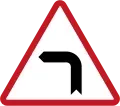
- Sharp turn right
- Sharp turn left
- U-turn ahead
- Road curves left
Identify the traffic sign:
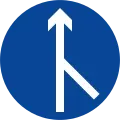
- One way (right)
- Divided highway begins
- Merging traffic
- Road narrows ahead
Identify the traffic sign:
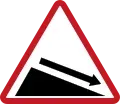
- Road curve right
- Downhill sign
- Uphill sign
- Approach to intersection
Identify the traffic sign:
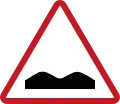
- Slippery road
- Winding road ahead
- Uneven road ahead
- Road narrows ahead
Identify the traffic sign:
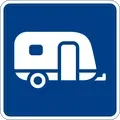
- Caravan site
- Trailer loading zone
- Parking for trucks
- Bus depot
Identify the traffic sign:
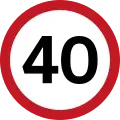
- Speed limit - maximum 40 kph
- Speed limit 50 kph
- Minimum speed 40 kph
- Speed limit 30 kph
What does a one-way hazard marker indicate when the only left direction is allowed?
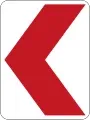
- The only right direction is allowed at the end of the road.
- The road ends ahead.
- One-way hazard markers indicate to the approaching driver the only left direction is allowed at the end of the road.
- The driver must continue straight.
What are motorcycle lanes used for?
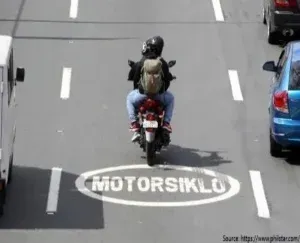
- Only used during rush hours.
- Lanes allotted for motorcycle riders and can be shared with other vehicles. Riders are not allowed to stay in other lanes unless instructed by enforcers or if the rider is turning into an intersection and must signal their intention within 100 meters.
- Motorcycles can use any lane freely.
- Reserved only for bicycles.
Identify the traffic sign:
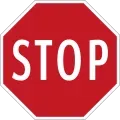
- Yield sign
- Stop sign
- Speed limit sign
- No entry sign
Identify the traffic sign:
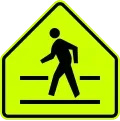
- Pedestrian crossing ahead
- School zone ahead
- Children playing ahead
- Bicycle lane ahead
Identify the traffic sign:
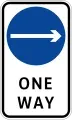
- No entry
- One way (right)
- One way (left)
- Stop sign
What do transition lines guide?
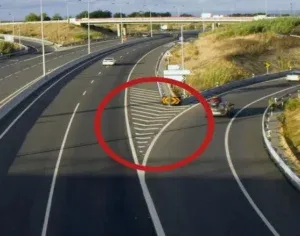
- Transition lines indicate a mandatory U-turn.
- Transition lines only apply to bicycles.
- Transition lines mean stopping is required.
- Guide the traffic safely to pass obstructions on roadways such as islands, median strips, bridge piers, or indicate changes in the width of the traveled portion of the roadway and an increase or reduction in traffic lanes.
Identify the traffic sign:
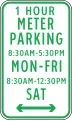
- No parking anytime
- Free parking
- Loading zone
- 1-hour meter parking in between specific time
Identify the traffic sign:
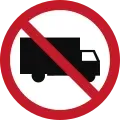
- No entry for buses
- No entry for tricycles
- No entry for cars
- No entry for trucks
Identify the traffic sign:
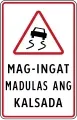
- Slippery road
- Flood-prone area
- Narrow bridge ahead
- Roundabout ahead
Identify the traffic sign:
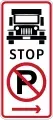
- Bus stop allowed
- Puj parking allowed
- Loading zone
- Puj stop zone – parking is not allowed
Identify the traffic sign:
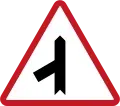
- Winding road
- Approach to intersection side road (left)
- Y-junction ahead
- Road narrows ahead
Identify the traffic sign:
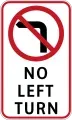
- Left lane must turn left
- No right turn allowed
- No left turn allowed
- U-turn only
Identify the traffic sign:
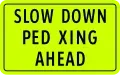
- Slow down pedestrian crossing ahead
- Speed bump ahead
- No entry for vehicles
- No pedestrians allowed
Identify the traffic sign:
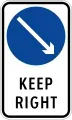
- One way (right)
- Keep left
- Keep right
- Stop sign
Identify the traffic sign:
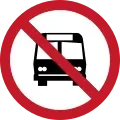
- No entry for buses
- No entry for tricycles
- No entry for motorcycles
- No entry for trucks
Identify the traffic sign:
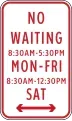
- No parking
- No entry
- No waiting zone (only allowed in between specific time)
- Free waiting zone
Identify the traffic sign:
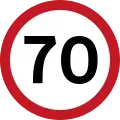
- Minimum speed 70 kph
- Speed limit 80 kph
- Speed limit 60 kph
- Speed limit - maximum 70 kph
What do chevron signs do?
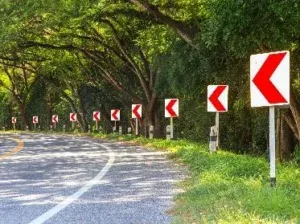
- Chevron signs warn of upcoming traffic lights.
- Chevron signs guide the drivers through a change in horizontal alignment of the road.
- Chevron signs indicate a sharp vertical incline.
- Chevron signs indicate parking areas.
Identify the traffic sign:
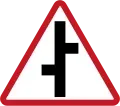
- Road curve right
- Winding road
- Intersection ahead
- Narrow bridge ahead
What do two-way hazard markers warn the driver about?

- Two-way hazard markers warn the driver ahead that the road ahead is about to change direction.
- The driver must make a U-turn.
- The road is closed ahead.
- The road is one-way only.
Identify the traffic sign:
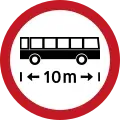
- No entry for motorcycles
- No entry for vehicles above 5 meters
- No entry for vehicles with more than 10 meters in length
- Only cars allowed
Identify the traffic sign:
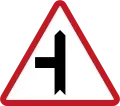
- Approach to intersection side road (right)
- Approach to intersection side road (left)
- Slippery road
- Roundabout ahead
What does a single yellow line with a broken white line indicate?
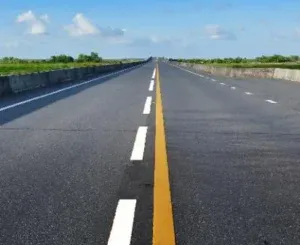
- No crossing is allowed at all.
- No overtaking but crossing is allowed on the side of the solid yellow line. Overtaking and crossing are allowed on the side of the broken white line.
- Overtaking is allowed on both sides.
- Crossing is only allowed at intersections.
Identify the traffic sign:
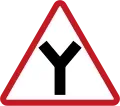
- Side road junction from right ahead
- Y-junction ahead
- Approach to intersection
- T-junction ahead
Identify the traffic sign:
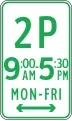
- Parking allowed only on weekends
- Restricted parking (2 hours parking) between specific time
- No parking anytime
- Free parking
Identify the traffic sign:
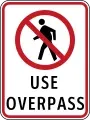
- No entry for pedestrians
- Use pedestrian crossing
- No pedestrian crossing
- Pedestrian must use an overpass
Identify the traffic sign:
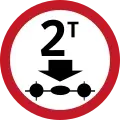
- No entry for light vehicles
- Vehicles over 5 tons allowed
- No entry for vehicles with gross axle load of more than 2 tons
- No entry for trucks
Identify the traffic sign:
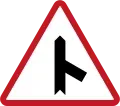
- Landslide-prone area
- Side road junction from left ahead
- Hairpin bend right
- Approach to intersection side road (right)
Identify the traffic sign:
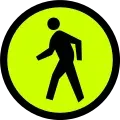
- No crossing anytime
- Be aware of pedestrian crossing
- Only bicycles allowed
- No pedestrians allowed
What are give way or holding lines?
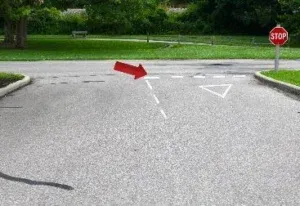
- Markings consisting of two adjacent broken white lines across the carriageway where drivers must give way to all traffic in accordance with the standard sign.
- Vehicles must stop completely and wait for an officer's signal.
- Only applies to trucks and buses.
- Give way lines are only visible at night.
What does a railroad crossing ahead sign indicate?
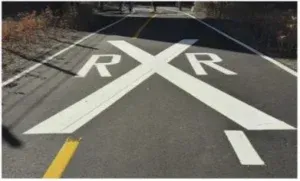
- A warning sign indicating an upcoming railroad crossing.
- Marks a pedestrian overpass.
- Only applies to cargo trucks.
- Indicates a mandatory U-turn.
Identify the traffic sign:
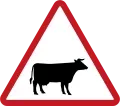
- Animal crossing ahead
- Pedestrian crossing ahead
- Cattle farm nearby
- Slow-moving vehicles ahead
Identify the traffic sign:
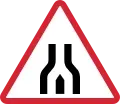
- End of divided road ahead
- Uneven road ahead
- Start of divided road ahead
- Spill way sign
Identify the traffic sign:
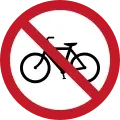
- No entry for tricycles
- No entry for pushcarts
- No entry for bicycles
- No entry for pedestrians
Identify the traffic sign:
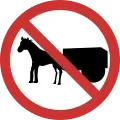
- No entry for animal drawn vehicles
- No entry for motorcycles
- No entry for tricycles
- No entry for pushcarts
Identify the traffic sign:
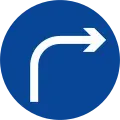
- Keep right
- No right turn
- Turn right ahead
- Turn left ahead
Identify the traffic sign:
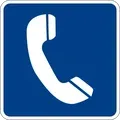
- Post office
- Charging station
- Wi-Fi hotspot
- Telephone
Identify the traffic sign:
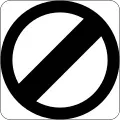
- Speed limit 60 kph
- End of speed limit restrictions
- No overtaking
- End of road work
What do double solid yellow lines indicate?
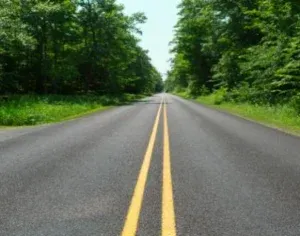
- No overtaking and no crossing.
- Overtaking is allowed anytime.
- Only motorcycles can overtake.
- Overtaking is allowed with caution.
Identify the traffic sign:
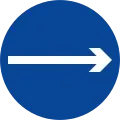
- One way (right)
- Pedestrian crossing sign
- One way (left)
- No U-turn
Identify the traffic sign:
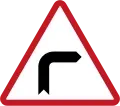
- U-turn allowed
- Road curves right
- Sharp turn left
- Sharp turn right
Identify the traffic sign:
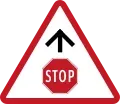
- Stop sign ahead
- Uneven road ahead
- Flood-prone area
- Traffic lights ahead
Identify the traffic sign:
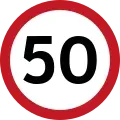
- Speed limit 40 kph
- Speed limit 60 kph
- Minimum speed 50 kph
- Speed limit - maximum 50 kph
Identify the traffic sign:
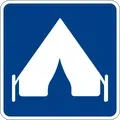
- Recreational park
- Camping area
- Hiking trail
- Picnic shelter
Identify the traffic sign:
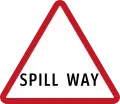
- Spill way sign
- Hump ahead
- Narrow bridge ahead
- Flood-prone area
Identify the traffic sign:
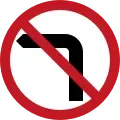
- No left turn allowed
- No right turn
- Left turn only
- No U-turn
Identify the traffic sign:
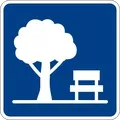
- Bus stop
- Rest area, picnic ground
- Fuel station
- Car wash
Identify the traffic sign:
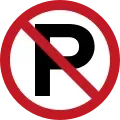
- No parking zone
- Bus parking allowed
- Free parking
- No stopping
Identify the traffic sign:
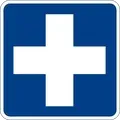
- Fire station
- Blood donation center
- Emergency vehicle parking
- First aid ambulance hospital
Identify the traffic sign:
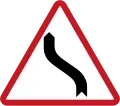
- Winding road
- T-junction ahead
- Road curve right
- Double curve
Identify the traffic sign:
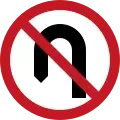
- No left turn allowed
- No U-turn
- No right turn allowed
- U-turn only
Identify the traffic sign:
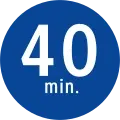
- Speed limit 50 kph
- Minimum speed restrictions
- No parking
- End of minimum speed
Identify the traffic sign:
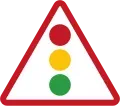
- Traffic lights ahead
- Road curve left
- Give way sign ahead
- Intersection ahead
What do two-way hazard markers warn the driver about?

- Two-way hazard markers warn the driver ahead that the road ahead is about to change direction.
- The road ahead has a speed limit change.
- The road is a cul-de-sac.
- The driver must stop at the next intersection.
What does a center or separation line mean?
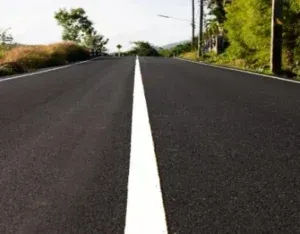
- Crossing of solid white lines requires special care and is discouraged.
- Center lines indicate a pedestrian zone.
- Separation lines mean overtaking is always allowed.
- Center lines show a mandatory stop ahead.
Identify the traffic sign:
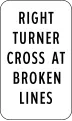
- Right turner cross at broken lines – vehicles from the left lane may cross the broken line to turn right within the bus/puj zone
- Vehicles cannot cross lines
- Left turn only
- No right turn
Identify the traffic sign:
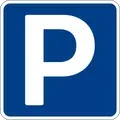
- Vehicle inspection ahead
- No parking zone
- Dead end
- Parking area
Identify the traffic sign:
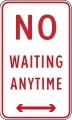
- Waiting allowed for 5 minutes
- No waiting anytime
- No stopping
- No parking
Identify the traffic sign:
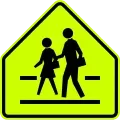
- Be aware of and stop for children crossing ahead
- School zone ends
- Playground ahead
- Pedestrian tunnel ahead
What do "Do not block intersection" lines indicate?
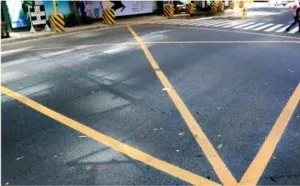
- Vehicles may stop inside the box if there’s traffic.
- Lines that form a yellow box within the intersection and yellow diagonal lines forming an “X” inside the box. No vehicle should stay inside the box to avoid obstruction to other motorists.
- Indicates a pedestrian waiting area.
- Only applies to trucks and buses.
Identify the traffic sign:
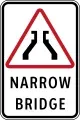
- Slippery road
- Road curve right
- Roundabout ahead
- Narrow bridge ahead
Identify the traffic sign:
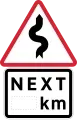
- Road narrows ahead
- Spill way sign
- Winding road ahead
- Stop sign ahead
Identify the traffic sign:
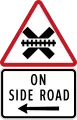
- Railway crossing on left side of road
- Railway crossing on right side of road
- Road curves left
- Highway merging left
What does a lane line indicate?
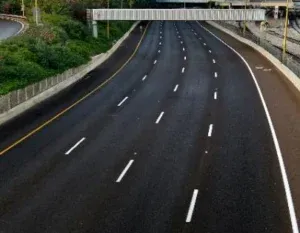
- Changing of lane is allowed provided that it is safe and will not result in obstruction.
- Changing lanes is never allowed.
- Changing lanes is only allowed at night.
- Only motorcycles can change lanes.
Identify the traffic sign:
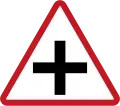
- Intersection ahead
- Side road junction from left
- Roundabout ahead
- Approach to intersection
Identify the traffic sign:
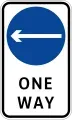
- One way (left)
- U-turn allowed
- One way (right)
- No left turn sign
Identify the traffic sign:
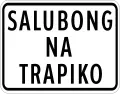
- One-way street
- Two way traffic
- No U-turn
- No left turn
Identify the traffic sign:
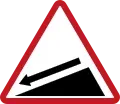
- Road narrows ahead
- Winding road ahead
- Flood-prone area
- Downhill sign
Identify the traffic sign:
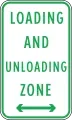
- No entry
- Loading and unloading zone
- No waiting
- No parking
What does a single solid yellow line mean?
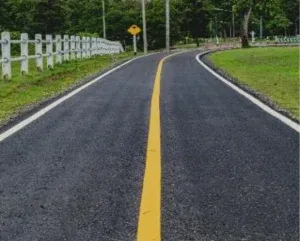
- Only large vehicles can overtake.
- No crossing and no overtaking.
- Overtaking is allowed but no crossing.
- Crossing is allowed but no overtaking.
Identify the traffic sign:
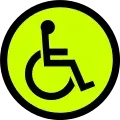
- No disabled access
- Be aware of persons with disabilities crossing
- Pedestrian crossing only
- No wheelchair access
Where is the sign used on a wide column of an overpass structure or median island?

- Sign used only on bridges.
- Sign used only on pedestrian crossings.
- Sign used only on narrow roads.
- Sign used on a wide column of an overpass structure or median island.
What does a stop line indicate?
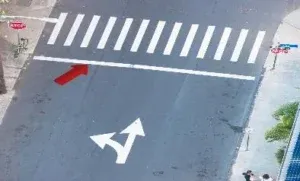
- Stopping is optional.
- Vehicles may stop after the line.
- Only motorcycles must stop at the line.
- Vehicles are required to stop before the white line.
Identify the traffic sign:
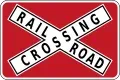
- Railway crossing hidden
- Keep left
- Road closed ahead
- Alternative railway crossing is positioned in an area that can be easily seen
Identify the traffic sign:
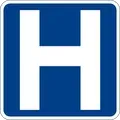
- Veterinary hospital
- Hospital
- Medical check-up area
- Clinic ahead
Identify the traffic sign:
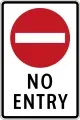
- No entry for private cars
- No entry for pedestrians
- No entry for all types of vehicle
- No entry for buses
Identify the traffic sign:
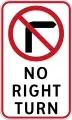
- Right turn only
- No left turn
- No right turn allowed
- No U-turn
Identify the traffic sign:
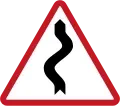
- Uphill sign
- Winding road
- Double curve
- Road curve right
Identify the traffic sign:
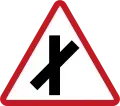
- Side road junction from right
- Intersection ahead
- Give way sign ahead
- Flood-prone area on right side
Identify the traffic sign:
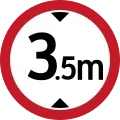
- No entry for vehicles wider than 3 meters
- No weight restrictions
- Only small vehicles allowed
- No entry for vehicles with more than 3.5 meters in height
Identify the traffic sign:
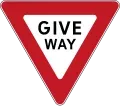
- No overtaking sign
- Give way sign
- Pedestrian crossing sign
- Stop sign
Identify the traffic sign:
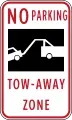
- Parking allowed
- No stopping
- No parking: parked vehicles will be towed
- No waiting anytime
What does a continuity line indicate?
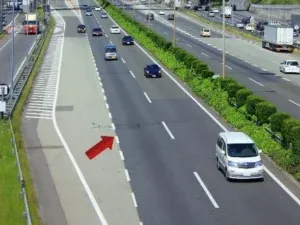
- A continuity line on the left side means the lane is ending or exiting, and the driver must change lanes if they want to continue in the current direction. Continuity lines on the right mean that the lane will continue unaffected.
- Continuity lines indicate pedestrian crossings.
- A continuity line means vehicles must stop immediately.
- Only buses can cross continuity lines.
Identify the traffic sign:
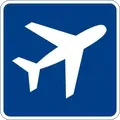
- Helicopter base
- No-fly zone
- Airplane parking
- Airport
Identify the traffic sign:
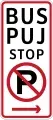
- Parking allowed
- Only buses can stop
- No loading
- Bus-puj stop zone – parking is not allowed
Identify the traffic sign:
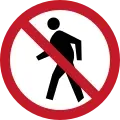
- Pedestrian crossing only
- Pedestrian zone
- No pedestrian crossing
- Use overpass
What does a one-way hazard marker indicate to the approaching driver?
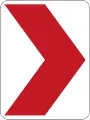
- One-way hazard markers indicate to the approaching driver the only right direction is allowed at the end of the road.
- The road ahead is a dead end.
- The driver can proceed in any direction.
- The only left direction is allowed at the end of the road.
Identify the traffic sign:
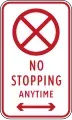
- Parking allowed
- No overtaking
- No stop area
- Speed limit 40 kph
Identify the traffic sign:
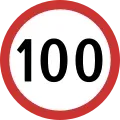
- Speed limit 110 kph
- Speed limit 90 kph
- Minimum speed 100 kph
- Speed limit - maximum 100 kph
Identify the traffic sign:
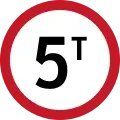
- No entry for vehicles with gross vehicle mass of more than 5 tons
- No entry for motorcycles
- No entry for buses
- Only light vehicles allowed
Identify the traffic sign:
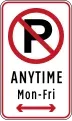
- No parking anytime from Monday to Friday
- No stopping
- No parking on weekends
- Parking for residents only
What are roundabout holding lines?
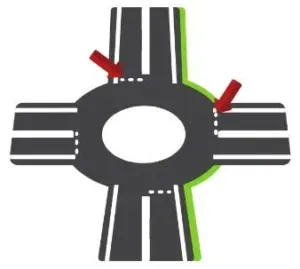
- Only buses have priority at roundabouts.
- Vehicles within the rotunda have the right-of-way over vehicles that are just about to enter.
- All vehicles must stop before entering.
- Vehicles entering the roundabout have priority.
Identify the traffic sign:
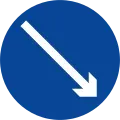
- Keep right
- Pedestrian crossing sign
- No right turn sign
- Keep left
Identify the traffic sign:
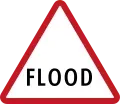
- Road curve left
- Flood-prone area
- Spill way sign
- Side road junction from left ahead
Identify the traffic sign:
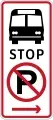
- Parking allowed on weekends
- Loading zone
- Bus stop zone – parking is not allowed
- Bus parking only
Identify the traffic sign:
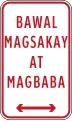
- No loading/unloading zone
- Parking allowed
- Waiting area
- Loading allowed
Identify the traffic sign:
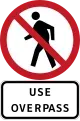
- No jaywalking
- Pedestrian must use an overpass
- Pedestrian must use pedestrian lane
- No pedestrian crossing
Identify the traffic sign:
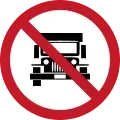
- No entry for motorcycles
- No entry for taxis
- No entry for all vehicles
- No entry for jeepneys
What do width markers indicate?
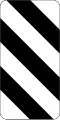
- Width markers show the height clearance of tunnels.
- Width markers indicate speed limit changes.
- Width markers indicate an upcoming stop sign.
- Width markers indicate narrowing width clearance.
Identify the traffic sign:
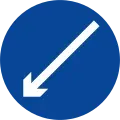
- No stopping
- One way (left)
- Keep left
- Keep right
Identify the traffic sign:
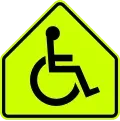
- Elderly crossing ahead
- Persons with disabilities (PWDs) crossing ahead
- Wheelchair-accessible route
- Hospital nearby
Identify the traffic sign:
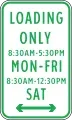
- Parking allowed
- Restricted loading (loading allowed in between specific time)
- No stopping
- No loading zone
Identify the traffic sign:
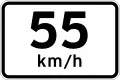
- Preferred maximum speed during normal weather traffic conditions
- Speed limit for emergency vehicles
- No speed limit
- Minimum speed required
Identify the traffic sign:
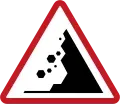
- Intersection ahead
- Start of divided road ahead
- Give way sign ahead
- Landslide-prone area
Identify the traffic sign:
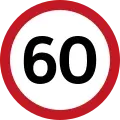
- Speed limit 70 kph
- Minimum speed 60 kph
- Speed limit 50 kph
- Speed limit - maximum 60 kph
Identify the traffic sign:
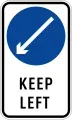
- Keep right
- Keep left
- No left turn sign
- Road narrows ahead
Identify the traffic sign:
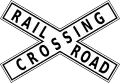
- One-way street
- Road narrows ahead
- Railroad crossing
- Tunnel ahead
Identify the traffic sign:
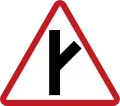
- Roundabout ahead
- Side road junction from left ahead
- Intersection ahead
- Side road junction from right ahead
Identify the traffic sign:
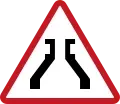
- Spill way sign
- Narrow bridge ahead
- Road narrows ahead
- Hump ahead
Identify the traffic sign:
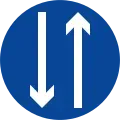
- One way traffic
- No overtaking
- Two way traffic
- Merging traffic
Identify the traffic sign:
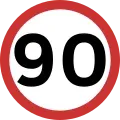
- Speed limit - maximum 90 kph
- Speed limit 100 kph
- Speed limit 80 kph
- Minimum speed 90 kph
What does a one-way hazard marker indicate to the approaching driver?

- The driver must turn around.
- One-way hazard markers indicate to the approaching driver the only right direction is allowed at the end of the road.
- The road ahead merges into a highway.
- The only left direction is allowed at the end of the road.
Identify the traffic sign:
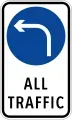
- No left turn
- Keep left
- All traffic turn left ahead
- All traffic turn right ahead
Identify the traffic sign:
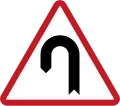
- Side road junction from left
- Hairpin bend left
- Winding road
- Hairpin bend right
Identify the traffic sign:
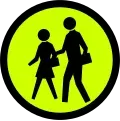
- No pedestrian crossing
- Bicycle lane
- Be aware of children crossing
- No children allowed
Identify the traffic sign:
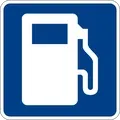
- Gasoline station
- Electric vehicle charging
- Tire repair shop
- Gas pipeline crossing
Identify the traffic sign:
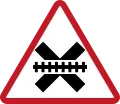
- Stop sign
- Railway crossing warning
- No overtaking
- Truck route
Identify the traffic sign:
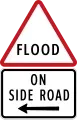
- Approach to intersection
- T-junction ahead
- Flood-prone area on left side of road
- Flood-prone area on right side of road
Identify the traffic sign:
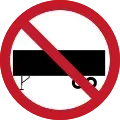
- No entry for trailer vehicles
- No entry for buses
- No entry for motorcycles
- No entry for trucks
Identify the traffic sign:
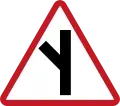
- Side road junction from right ahead
- Approach to intersection
- Double curve
- Side road junction from left ahead
Identify the traffic sign:
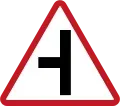
- Side road junction from right ahead
- Spill way sign
- Hairpin bend left
- Approach to intersection side road (left)
Identify the traffic sign:
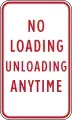
- Loading zone
- No waiting
- No loading and unloading anytime
- Parking allowed
Identify the traffic sign:
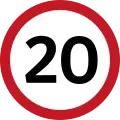
- Minimum speed 20 kph
- No stopping
- Speed limit - maximum 20 kph
- Speed limit 30 kph
Identify the traffic sign:
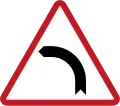
- Sharp turn left
- Road curve left
- No curves ahead
- Road curve right
Identify the traffic sign:
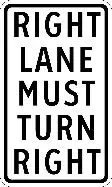
- Right lane must turn right
- No right turn
- Left lane must turn left
- Straight only
Identify the traffic sign:
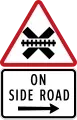
- Exit ahead
- Railway crossing on right side of road
- Railway crossing on left side of road
- Steep incline ahead
Identify the traffic sign:
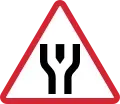
- Side road junction from left ahead
- End of divided road ahead
- Intersection ahead
- Start of divided road ahead
Identify the traffic sign:
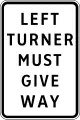
- Right turner must give way
- Left turner must give way
- No left turn sign
- Keep right
Identify the traffic sign:
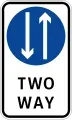
- Slippery when wet
- No entry
- Two way traffic
- One way street
Identify the traffic sign:
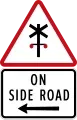
- Slippery road
- Tunnel entrance
- Train station ahead
- Railway crossing on left side of road
Identify the traffic sign:
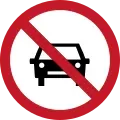
- No entry for buses
- No entry for tricycles
- No entry for cars
- No entry for all vehicles
Identify the traffic sign:
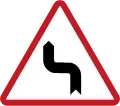
- Road curves left
- U-turn
- Sharp turn left
- Double sharp turn
Identify the traffic sign:
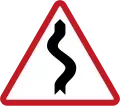
- Flood-prone area
- Hairpin bend right
- Winding road
- Intersection ahead
Identify the traffic sign:
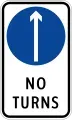
- Left turn permitted
- Vehicles must merge left
- No turns allowed go straight
- Right turn permitted
What are pedestrian intersection lines?
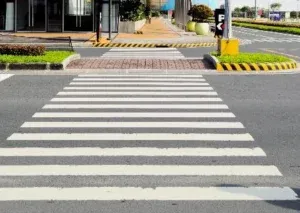
- Markings to indicate pedestrian crossings at intersections.
- Indicate no parking zones.
- Only used for bicycle crossings.
- Mark emergency stopping areas.
Identify the traffic sign:
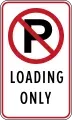
- Parking allowed
- No waiting
- No parking anytime
- Loading only no parking
Identify the traffic sign:
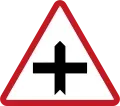
- Side road junction from right ahead
- End of divided road ahead
- Approach to intersection
- Start of divided road ahead
Identify the traffic sign:
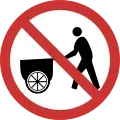
- No entry for motorcycles
- No entry for tricycles
- No entry for bicycles
- No entry for pushcarts
Identify the traffic sign:
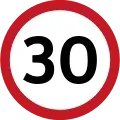
- Speed limit 40 kph
- Minimum speed 30 kph
- Speed limit - maximum 30 kph
- Speed limit 20 kph
Identify the traffic sign:
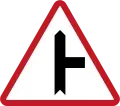
- Hump ahead
- Approach to intersection side road (left)
- Traffic lights ahead
- Approach to intersection side road (right)
Identify the traffic sign:
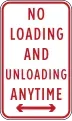
- No loading and unloading anytime
- No stopping
- No parking
- Loading only
Identify the traffic sign:
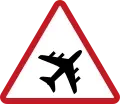
- Low-flying airplane zone
- Helicopter landing zone
- Military airbase
- Airport entrance
Identify the traffic sign:
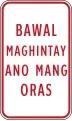
- Parking allowed
- No loading
- No unloading
- No waiting anytime
Identify the traffic sign:
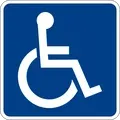
- Handicap parking only
- Senior citizen lounge
- Disabled service
- Wheelchair ramp only
Identify the traffic sign:
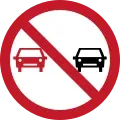
- No overtaking zone
- No entry
- Overtaking allowed
- Speed limit 50 kph
What does a one-way hazard marker indicate when the only left direction is allowed?

- The only right direction is allowed at the end of the road.
- The driver must yield to oncoming traffic.
- One-way hazard markers indicate to the approaching driver the only left direction is allowed at the end of the road.
- The road is open in both directions.
Identify the traffic sign:
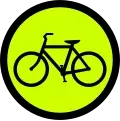
- Bicycle lane ahead
- No bicycles allowed
- Pedestrian lane
- Bus lane only
What does an edge line indicate?
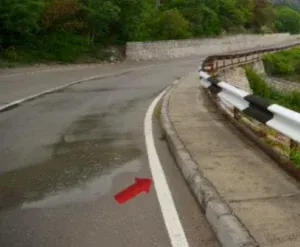
- Indicates a mandatory stop.
- Marks a pedestrian crossing.
- Used to separate lanes of traffic.
- Used to separate the outside edge of the road from the shoulder.
Identify the traffic sign:
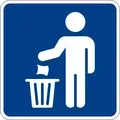
- Composting area
- Garbage dump
- Litter bin
- Recycling center
Identify the traffic sign:
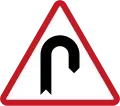
- Hairpin bend left
- Flood-prone area
- Hairpin bend right
- Road curve right
What does a parking bay indicate?
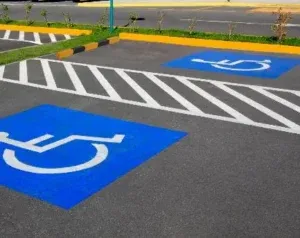
- Used to designate parking space, but take note of PWD parking mark.
- Used only for loading and unloading passengers.
- Only motorcycles can park here.
- Indicates a no-parking zone.
Identify the traffic sign:
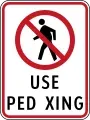
- Pedestrian must use pedestrian crossing
- No pedestrian crossing
- Use an overpass
- Pedestrian crossing ahead
Identify the traffic sign:
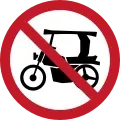
- No entry for motorcycles
- No entry for tricycles
- No entry for pushcarts
- No entry for bicycles
Identify the traffic sign:

- No overtaking sign
- Vehicle may pass either side
- No entry
- One-way (right)
Identify the traffic sign:
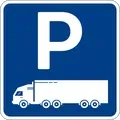
- Truck parking
- Taxi waiting zone
- Motorcycle parking
- Car-only parking
Identify the traffic sign:
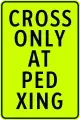
- Slippery road
- Pedestrian crossing prohibited
- No pedestrian crossing
- Advising the pedestrians to cross at pedestrian areas
Identify the traffic sign:
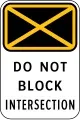
- No stopping or parking anytime within the yellow box
- Stopping allowed only
- Loading zone
- Parking allowed in yellow box
What is a turn line used for?
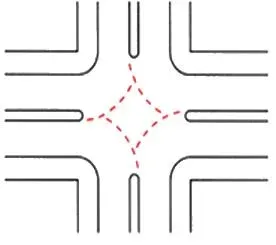
- Indicates a no-turn zone.
- Used for pedestrian crossings.
- Used to guide vehicles through a turning movement at intersections.
- Only motorcycles can follow turn lines.
What does a one-way hazard marker indicate to the approaching driver?

- The only left direction is allowed at the end of the road.
- One-way hazard markers indicate to the approaching driver the only right direction is allowed at the end of the road.
- The road leads to a restricted area.
- The driver must stop immediately.
Identify the traffic sign:
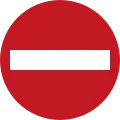
- No entry for bicycles
- No entry for trucks
- No entry for all types of vehicle
- No entry for motorcycles
Identify the traffic sign:
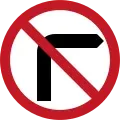
- No U-turn
- No left turn allowed
- Right turn only
- No right turn allowed
Identify the traffic sign:
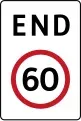
- No entry
- End of parking restriction
- Speed limit 60 kph
- End of speed limit restrictions of 60 kmph
Identify the traffic sign:
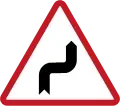
- No sharp turn
- Only left turns allowed
- Double sharp turn
- Only right turns allowed
What does a loading and unloading bay lane line indicate?
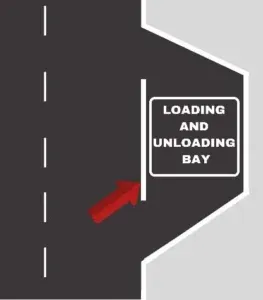
- A solid white line used to indicate the proper location of loading and unloading zones with parking restrictions.
- Only emergency vehicles can stop here.
- Indicates a pedestrian-only zone.
- Designates a general parking area.
Identify the traffic sign:
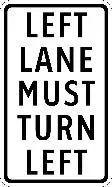
- Right lane must turn right
- U-turn only
- No left turn
- Left lane must turn left
Identify the traffic sign:
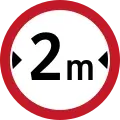
- No entry for vehicles with more than 2 meters in width
- Parking allowed
- No height restrictions
- No entry for vehicles above 4 meters
Identify the traffic sign:
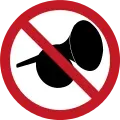
- Use horn carefully
- No overtaking
- No blowing of horns
- Horn required
Identify the traffic sign:
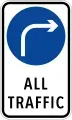
- No right turn
- All traffic turn right ahead
- All traffic turn left ahead
- One-way (left)
Identify the traffic sign:
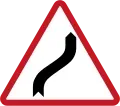
- Hairpin bend left
- Intersection ahead
- Side road junction from right
- Double curve
Identify the traffic sign:
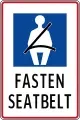
- No entry
- No seat belt required
- Use of horn required
- Use seat belt
What do obstruction markers warn the driver about?

- Obstruction markers warn of foggy conditions.
- Obstruction markers indicate speed bumps.
- Obstruction markers warn of road closure ahead.
- Obstruction markers warn of upcoming pedestrian crossings.
Identify the traffic sign:
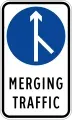
- Slippery road
- Divided highway
- Merging traffic
- Road narrows
Identify the traffic sign:
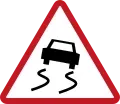
- Slippery road
- Road narrows ahead
- Hairpin bend left
- Spill way sign
Identify the traffic sign:
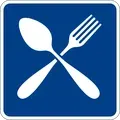
- Restaurant, cafes
- Food trucks only
- Bar and pub
- Grocery store
Identify the traffic sign:
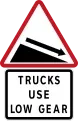
- Downhill sign with warning for trucks
- Uphill sign
- Side road junction from left ahead
- Narrow bridge ahead
Identify the traffic sign:
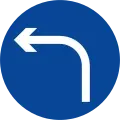
- No left turn
- Turn left ahead
- Turn right ahead
- One-way (left)
What do chevron signs do?
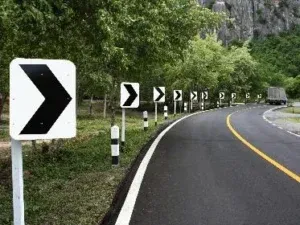
- Chevron signs indicate a pedestrian crossing.
- Chevron signs guide the drivers through a change in horizontal alignment of the road.
- Chevron signs mark a one-way street.
- Chevron signs show the start of a highway.
Identify the traffic sign:
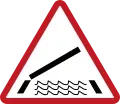
- Narrow bridge ahead
- Side road junction from right ahead
- Road curve left
- Opening bridge ahead
Identify the traffic sign:
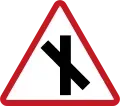
- Slippery road
- Intersection ahead
- Approach to intersection side road (left)
- Downhill sign
What does a broken and solid yellow line indicate?
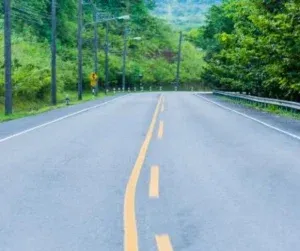
- No overtaking or crossing is allowed.
- Overtaking is allowed on both sides.
- Only left turns are permitted.
- Crossing and overtaking are allowed on the side of the broken line with caution, but overtaking is not allowed on the side of the solid line.
Identify the traffic sign:
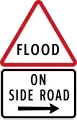
- Downhill sign
- Winding road
- Flood-prone area on left side of road
- Flood-prone area on right side of road
Advertisement
You can skip this ad in 5 seconds...